
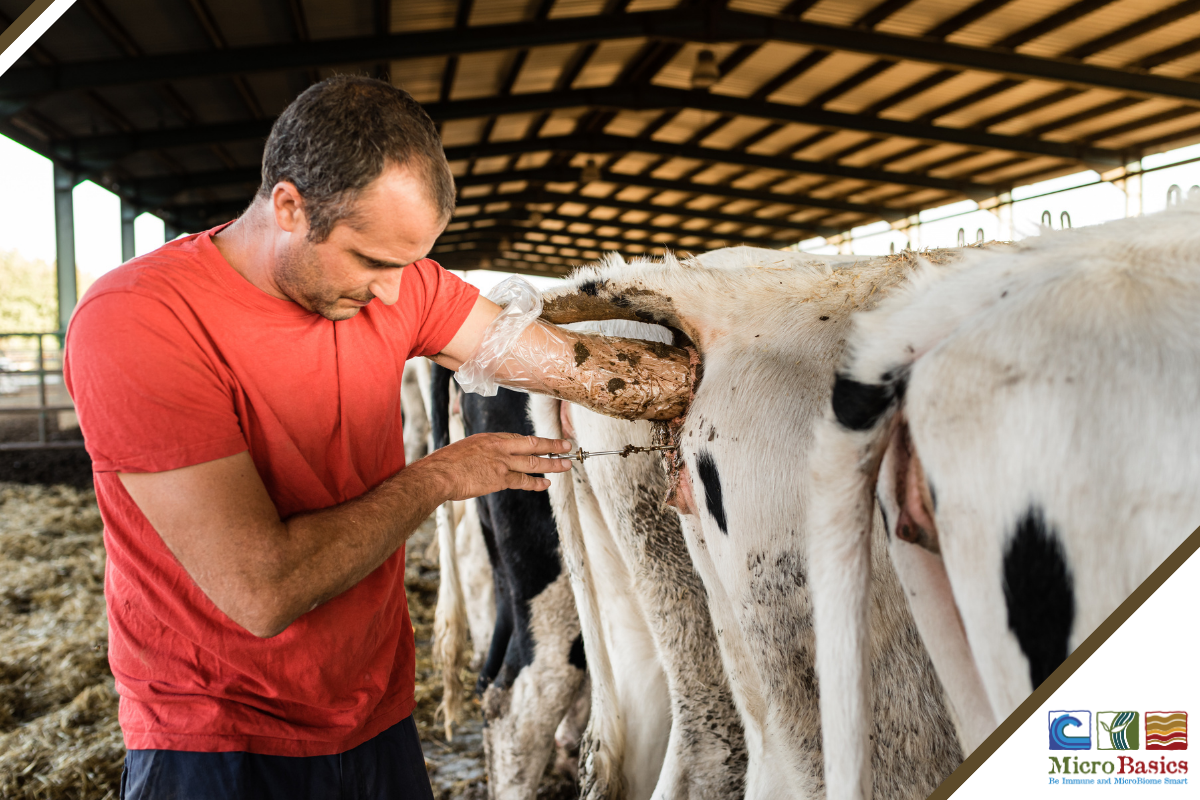
Dairy Heifer Reproductive Efficiency: The Key to Farm Profitability
When we talk about reproductive efficiency in dairy cattle, typically the focus is placed on lactating cows. But there is another group that deserves just as much attention: the replacement heifer....
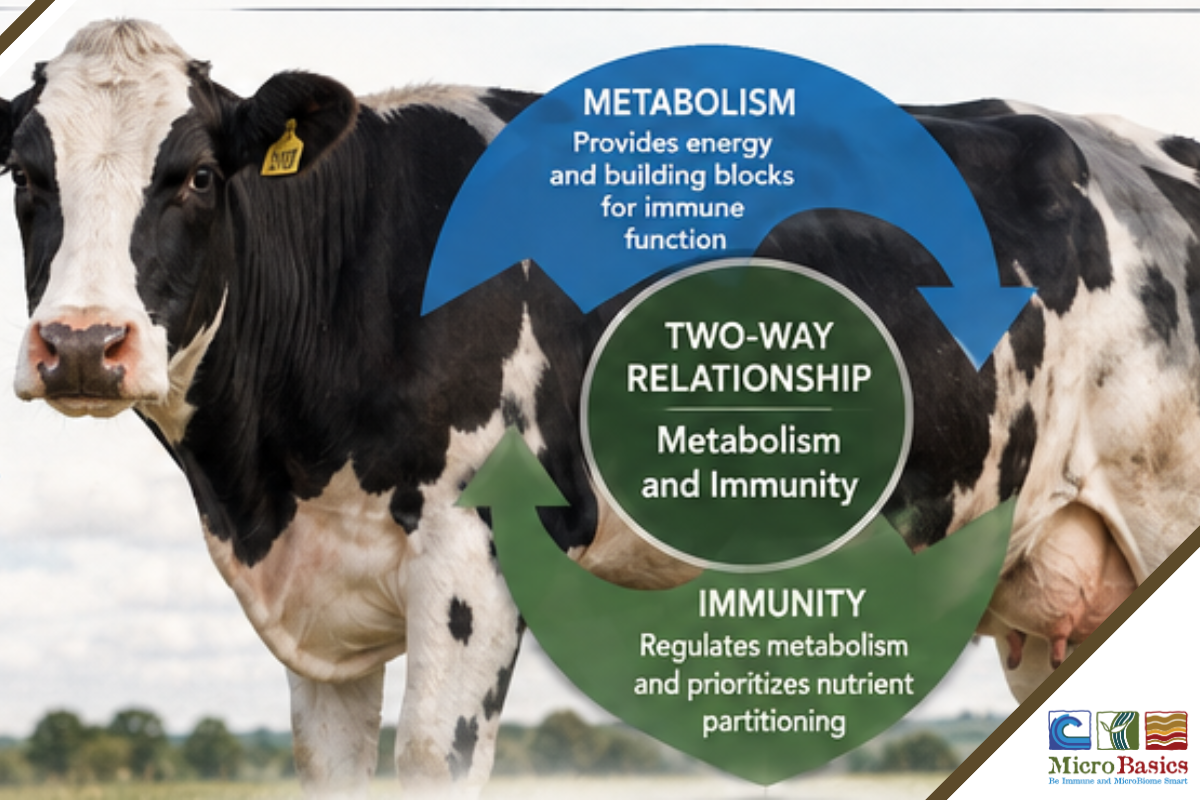
IMMUNOMETABOLISM: THE CONNECTION BETWEEN HEALTH, NUTRITION, AND PERFORMANCE
Nutrients do more than support maintenance, growth, milk production, and reproduction—they also fuel and regulate the immune system. Immunometabolism describes this two-way relationship between met...

Rooted in Agriculture, Driven by Service: Meet Our Newest Team Member John Castro
In agriculture knowledge and products matter. But at the end of the day, it all comes back to one thing: taking care of the people, and it’s the relationships that matter most. For our newest Micro...
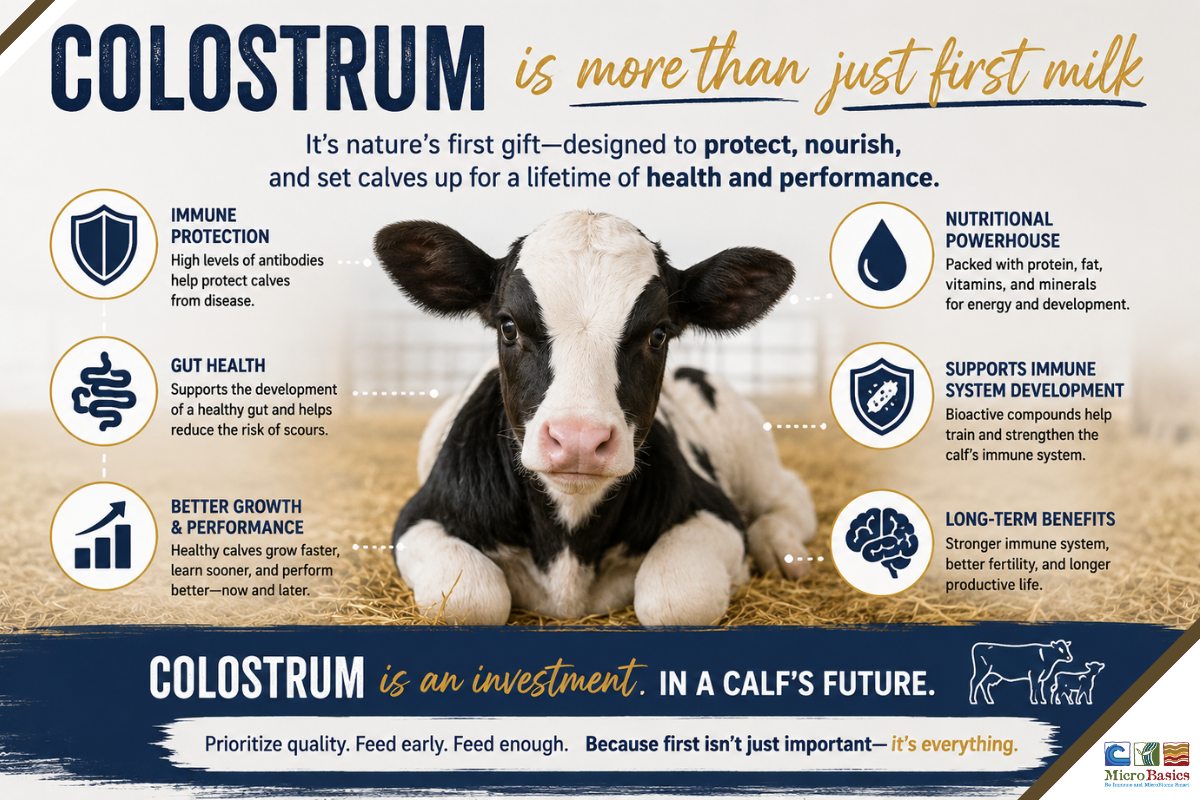
More Than First Milk: Factors That Influence Colostrum Yield and Quality
For cattle producers, the challenge is that colostrum is not uniform from cow to cow or season to season. Research shows that colostrum yield and quality are influenced by environmental factors, pr...
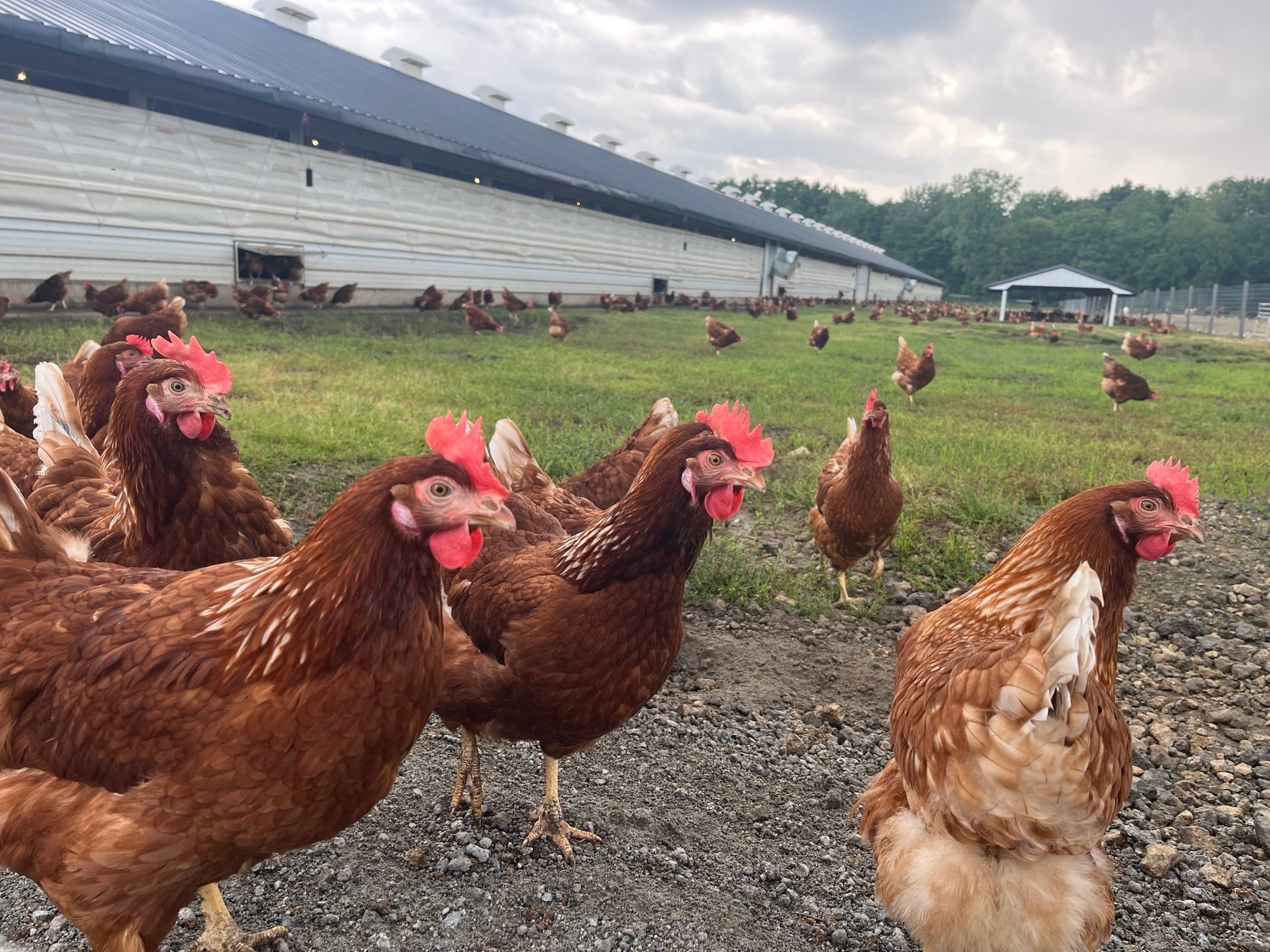
Dr. Strauch is motived by large-scale impact. He chose poultry medicine to fulfill his desire to "do medicine for the masses" and “maximize impact on the food system”. He is passionate about his w...

More Than Gut Health: Early-Life Probiotics May Mean More Milk Later
One of the hardest things I face as a nutrition consultant is helping producers understand and quantify investments made in early life, and the payback they will bring later on when that animal ent...
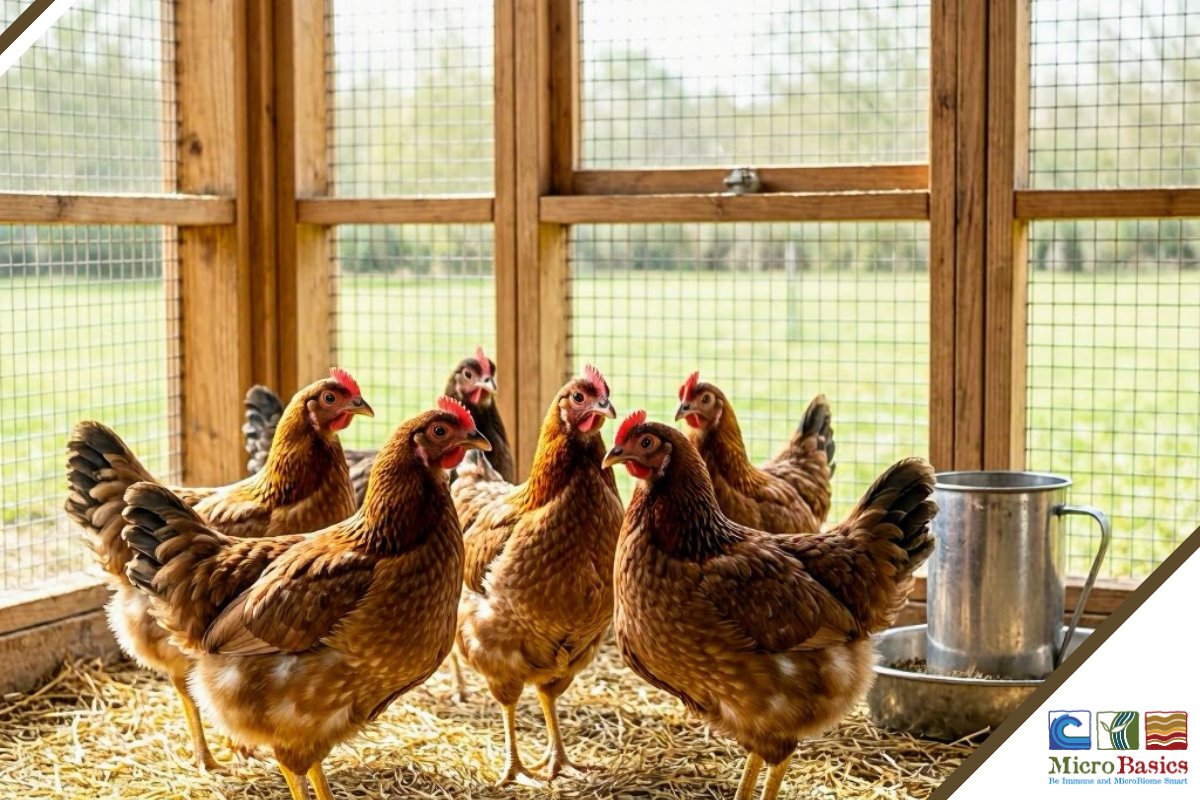
Healthy poultry are the result of good management, proper nutrition, clean housing, and proactive disease prevention. Whether you are raising backyard chickens or managing a larger flock, understan...

Microplastics: A Hidden Threat in Livestock Health
Plastic pollution is often thought of as an environmental issue, but its effects can reach much closer to home — all the way to the barn, the feed bunk, and the water trough. As plastic materials b...
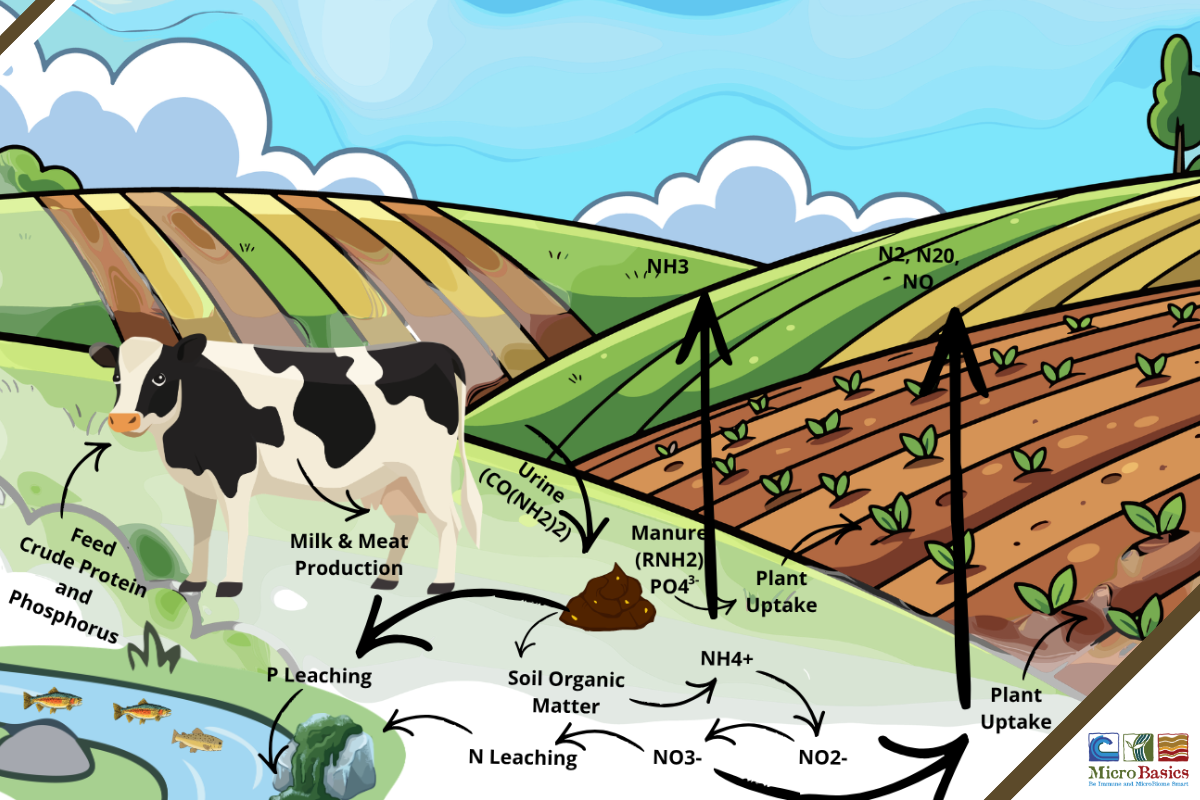
Nutrient Management: Where Profit Meets Sustainability
Nutrient management is one of the most powerful levers dairy producers have to improve profitability while protecting natural resources. Across Idaho’s dairy industry, especially in regions like th...
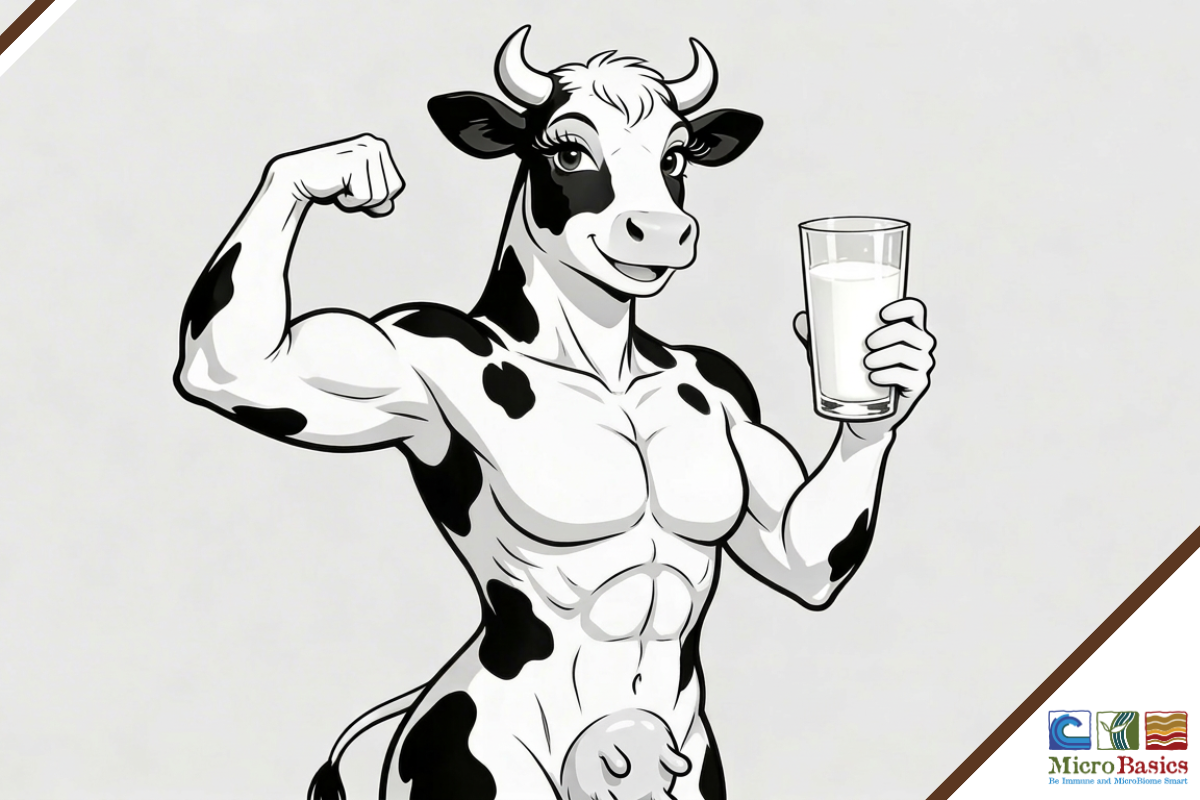
You might never have heard of a cow flexing her muscles before, but it may be more important than you think! When we think of dairy cattle we usually focus on large udders and milk veins, but ther...