Wild yeasts are “hidden spoilers” in feed and forages that quietly burn up nutrients, heat rations, and open the door to molds and bad bacteria across all livestock species– exactly the kind of problem Intercept FEND is designed to address.
What are wild yeasts in feed?
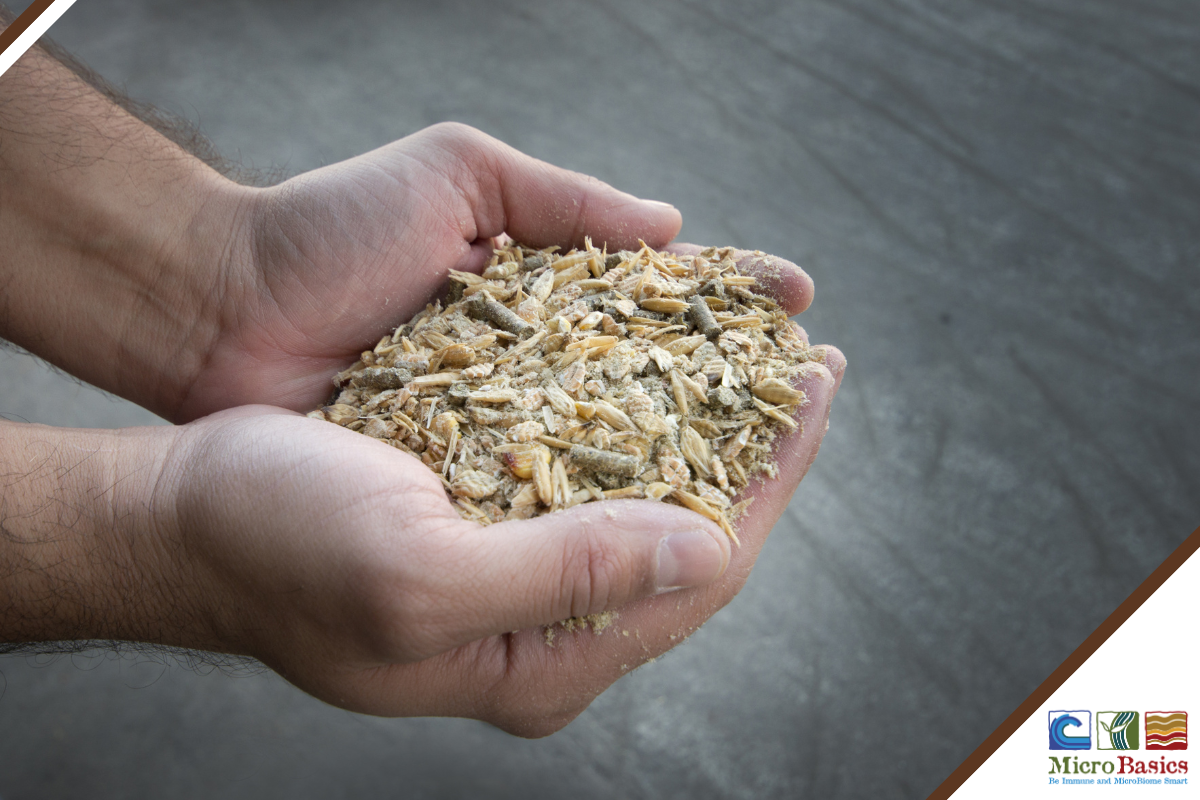
Wild yeasts are naturally occurring fungi that hitchhike on crops, grains, by‑products, and liquid feeds long before they get to the bunk, trough, or feeder. They are different from the beneficial live yeast probiotics we intentionally add; wild yeasts are uninvited guests that thrive on oxygen and sugar and are strongly linked to feed spoilage and animal performance losses in cattle, swine, poultry, and other species.
How wild yeasts damage feed
Think of wild yeasts as the “first spark” in a spoilage fire – once they get going, everything else follows.
Key steps in the damage:
- Yeasts survive ensiling and storage in a dormant state when oxygen is low and temperatures are cool.
- At feed‑out or in the TMR/complete feed, exposure to air and warmer temperatures “wakes them up,” and their population can double in just a few hours.
- They consume the most digestible nutrients first – sugars, starch, lactic acid – directly robbing energy from the ration and raising pH of the feed.
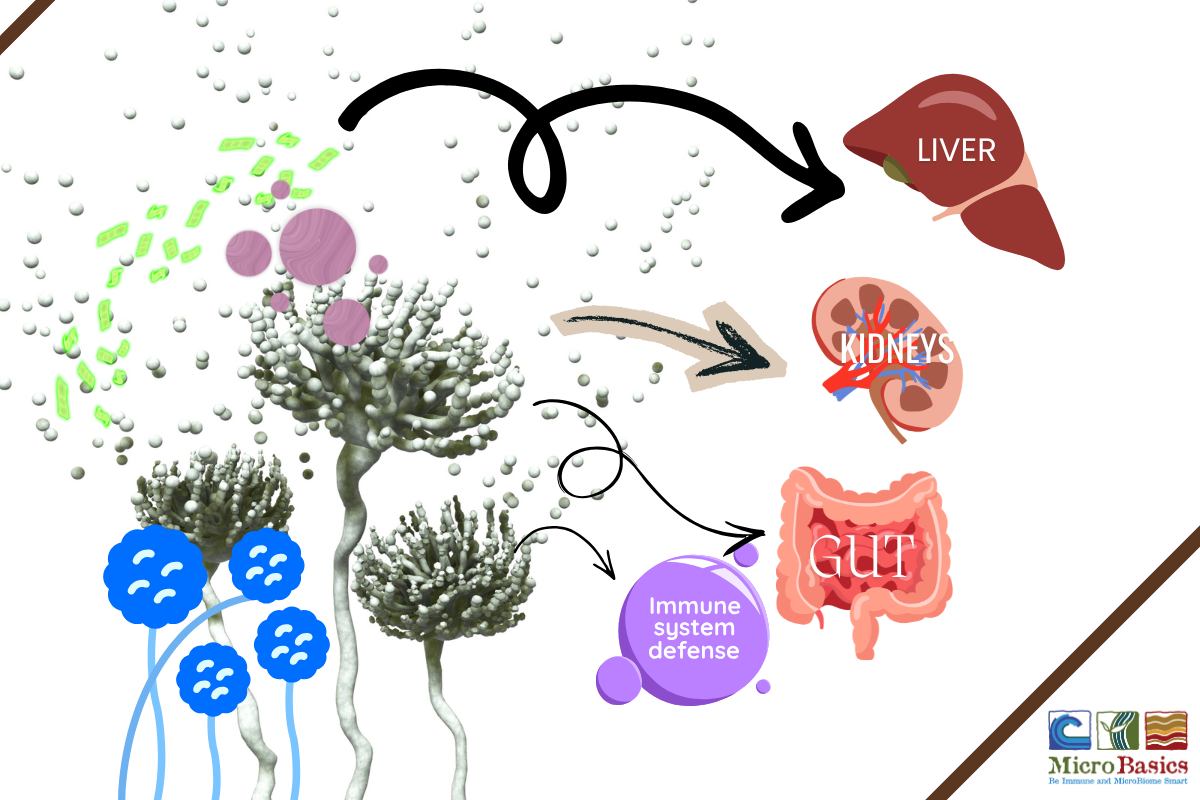
- Heat is produced as they grow, so feed gets warm or hot, and the increase in pH plus extra heat gives molds and undesirable bacteria a head start, leading to visible spoilage, off‑odors, and high microbial counts.
Even when mycotoxins are top of mind, field experience shows that drier, wild‑yeast‑laden feeds can be the bigger day‑to‑day problem for aerobic stability and intake on many farms.
What this means for our Livestock
Because wild yeasts attack the ration itself, their impact shows up across species – dairy and beef cattle, calves, swine, poultry, small ruminants, and even specialty species.
Common patterns include:
- Lower energy intake: Nutrient‑rich portions of the diet are consumed by yeast before the animal ever sees them, so the same “formulated” ration delivers less usable energy and protein.
- Hot, unpalatable feed: Heating and off‑odors reduce appetite, cause sorting, and shorten bunk or feeder life, which is especially problematic in hot weather or for young and stressed animals.
- Gut disruption: In ruminants, wild yeasts are associated with disturbed rumen fermentation and less efficient use of fiber and starch; in pigs and poultry, spoiled or heating feed is tied to digestive upsets and inconsistent performance.
- Health and component losses: High yeast counts and aerobic spoilage are linked with milk and component losses in dairy cows, poorer gain in growing animals, and higher risk of secondary challenges as molds and bacteria bloom on already‑heated feed.
Importantly, a mycotoxin binder alone cannot fix these issues, because wild yeast is driving heating and nutrient loss long before molds make toxins.
Where wild yeasts show up
You can’t see yeasts until the damage is advanced, but certain feeds and conditions are higher risk.
High‑risk situations:
- High‑moisture, high‑starch feeds such as corn silage, high‑moisture corn, grain by‑products, and many liquid ingredients.
- Silages or wet feeds harvested late, under wet conditions, or with poor packing or sealing, which enter storage with high yeast counts.
- Warm seasons and long feed‑out times at the bunk, in liquid systems, or in bins, where yeast has hours to grow before the animal consumes the feed.
Yeast and mold counts are widely used as routine quality indicators in feed and food because high counts signal a greater risk of spoilage and quality loss.
Put out the “spark” with Intercept FEND
Given this biology, the most effective strategy is to reduce wild yeast pressure and protect the ration before it ever reaches the animal – that is the role Intercept FEND is designed to fill.
Positioning points for Intercept FEND in this series:
- Targets the real “first mover”: By focusing on wild yeasts, Intercept FEND addresses the primary organisms that initiate aerobic spoilage and heating, rather than only reacting to downstream mold or mycotoxin problems.
- Protects nutrients across species: By keeping yeasts in check, more sugars, starch, and lactic acid stay in the ration for cattle, pigs, poultry, and other livestock instead of being lost as heat and waste.
- Supports intake and performance: Cooler, more stable feed is more palatable, more consistent across the day, and less likely to cause digestive disruption, supporting better milk, gain, and feed efficiency in a way that owners and managers can see at the bunk or feeder.
- Complements your mycotoxin strategy: Intercept FEND fills the gap your mycotoxin‑focused tools do not cover, giving your team a broader “feed hygiene” approach that accounts for both toxins and the microbial spoilers that never show up on a mycotoxin report.
Bringing it all together
Wild yeasts are easy to overlook because they do most of their damage before we ever see obvious mold, but their impact on feed stability, nutrient loss, and animal performance is very real across all species you work with. By focusing on overall feed hygiene – not just mycotoxins – you can protect the value of every load of feed and support more consistent intakes, health, and productivity. Intercept FEND fits into this strategy as a proactive tool to keep wild yeasts in check, defend the nutrients you paid for, and give your animals a cooler, more stable ration every day.
Sources
- Goeser, J. “Mycotoxins aren’t the greatest 2019 feed concern.” Hoard’s Dairyman Intel, 2019. Available at: https://hoards.com/article-24785-mycotoxins-arent-the-greatest-2019-feed-concern.html[agproud]
- Yuan, K. “Dealing with wild yeasts in dairy feeds.” Quality Liquid Feeds, 2023. Available at: https://www.qlf.com/news/dealing-with-wild-yeasts-in-dairy-feeds/[qlf]
- “Combating wild yeast in dairy rations.” Hubbard Feeds, 2020. Available at: https://www.hubbardfeeds.com/blog/combating-wild-yeast-dairy-rations[hubbardfeeds]
- “Wild yeast could be a problem at your dairy.” Progressive Dairy / Ag Proud, 2022. Available at: https://www.agproud.com/articles/29708-wild-yeast-could-be-a-problem-at-your-dairy[agproud]
- Wilkinson, J. M., et al. “The aerobic stability of silage: key findings and recent developments.” Grass and Forage Science, 2013. Available at: https://ui.adsabs.harvard.edu/abs/2013GForS..68....1W/abstract[ui.adsabs.harvard]
- Wang, C., & Nishino, N. “Aerobic stability and effects of yeasts during deterioration of total mixed ration silage.” 2015. Available at: https://pubmed.ncbi.nlm.nih.gov/25925059/[pubmed.ncbi.nlm.nih]
- “Aerobic Stability and Effects of Yeasts during Deterioration of Total Mixed Ration Silage.” Full text. Available at: https://pmc.ncbi.nlm.nih.gov/articles/PMC4412978/[pmc.ncbi.nlm.nih]
- “Investigation of aerobic stability in extruded silages.” Master’s thesis, SLU. Available at: https://stud.epsilon.slu.se/17359/1/Mutabazi_G_211101.pdf[stud.epsilon.slu]

Leave a comment
All comments are moderated before being published.
This site is protected by hCaptcha and the hCaptcha Privacy Policy and Terms of Service apply.