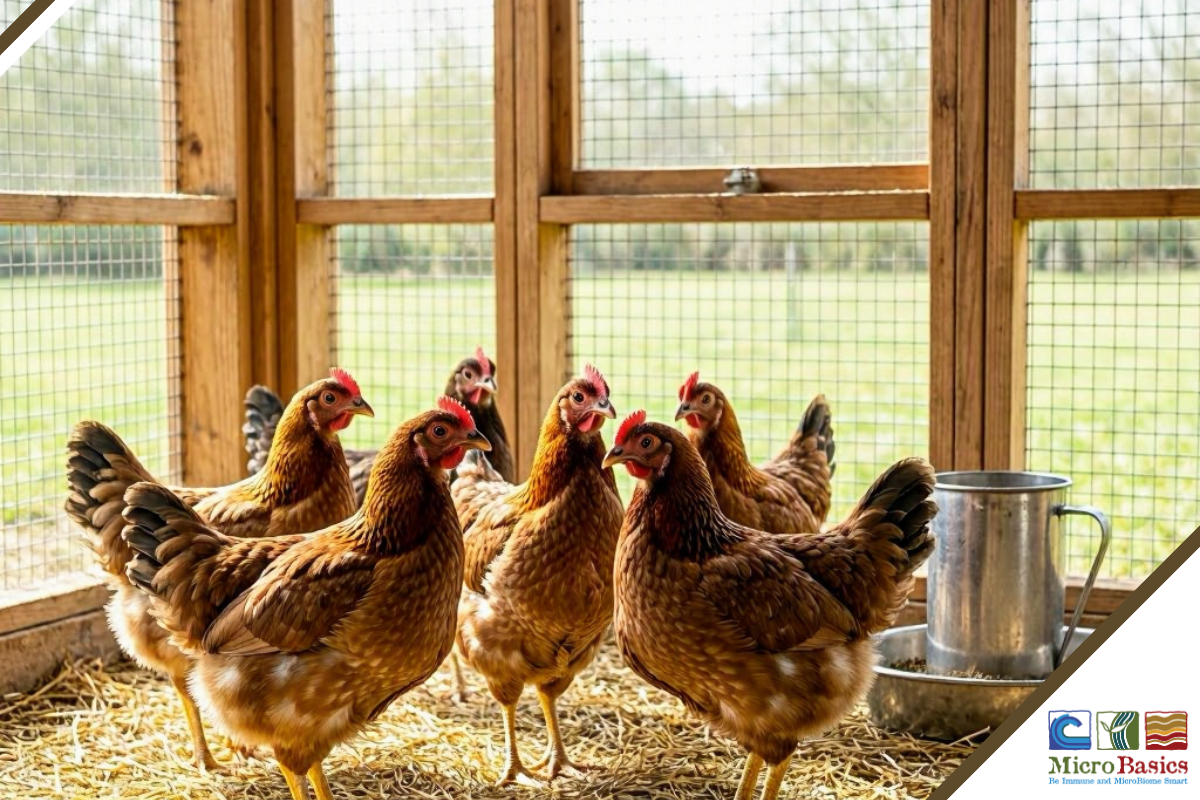
Healthy poultry are the result of good management, proper nutrition, clean housing, and proactive disease prevention. Whether you are raising backyard chickens or managing a larger flock, understanding the basics of poultry health is key to protecting bird welfare, improving performance, and reducing losses.
Understanding Poultry Biology
Poultry species include chickens, ducks, geese, turkeys, and guinea fowl. They have unique anatomical and physiological traits that shape how they should be managed. Unlike mammals, poultry have feathers instead of fur, no teeth, and a single vent for waste and reproduction. Their respiratory system includes air sacs, which makes them highly efficient but also more sensitive to poor air quality. Hollow bones and rapid growth rates further emphasize the importance of careful management.
The Foundation of Flock Health
Biosecurity is the first line of defense when it comes to raising healthy birds. Limiting exposure to wild birds, other livestock, contaminated equipment, and unnecessary visitors helps reduce the risk of introducing disease. Simple practices such as using dedicated footwear, controlling entry points, and disinfecting equipment can make a meaningful difference.
Clean, well-ventilated housing is equally important. Dirty nest boxes, wet litter, and poor airflow create conditions that favor pathogens and increase stress on the flock.
Hygiene also matters for the people handling birds. Washing hands after touching birds, eggs, or equipment helps reduce the spread of disease, especially in homes with children.
Hydration Matters
Water is one of the most important nutrients in livestock production, yet it is often overlooked. Poultry can tolerate short periods without feed far better than they can tolerate water deprivation. Even brief disruptions in water access can reduce feed intake, slow growth, lower egg production, and weaken immune function.
Water supports digestion, nutrient absorption, temperature regulation, circulation, and waste removal. It is also essential for egg formation. Because birds do not sweat, they rely heavily on water to stay cool, especially during heat stress. When water intake drops, performance often declines quickly.
Water quality matters as much as water availability. Clean, cool, uncontaminated water should always be available. Poor-quality water can carry bacteria, excess minerals, or other contaminants that reduce intake and quietly undermine flock performance.
Nutrient Needs by Stage
Nutrient requirements in poultry change with age, production stage, and purpose. Feeding the right diet at the right time supports growth, reproduction, and long-term health.
Starter phase: 0 to 6 weeks
You have probably heard me say this before, especially when I am writing about cattle, but the truth is the concept applies to ALL species. Early life is the most important stage for growth and immune development! Poultry starter diets are typically higher in protein, often around 20 to 24 percent, to support muscle, organ, and skeletal development. Birds also need adequate vitamins and minerals to build a strong foundation for future performance.
Grower phase: 6 to 18 weeks
During the grower stage, protein levels are usually reduced somewhat, often to 16 to 18 percent, while energy and amino acid balance remain important. The goal is steady development without excessive fat deposition or overly rapid growth.
Layer phase: 18 weeks and older
Once hens begin laying, calcium demand increases sharply to support eggshell formation. Layer diets typically contain higher calcium, along with enough phosphorus and vitamin D to help birds use that calcium effectively. Protein and energy still matter, but mineral balance becomes especially critical.
Broilers versus layers
Broilers are selected for rapid growth and need diets that support efficient muscle development and feed conversion. Layers need diets that support sustained egg production, shell quality, and long-term body condition. Matching nutrition to the bird’s purpose is essential.
Feed quality matters at every stage. Moldy, spoiled, or contaminated feed can reduce intake, impair immunity, and lower production. Good nutrition is not just about meeting nutrient targets — it is also about feeding clean, safe ingredients consistently.
Disease Prevalence and Economic Losses
Even with excellent management, disease can still appear in a flock. Some diseases are not only a health threat but also a major economic burden.
Salmonella is one of the most important examples. It can lead to testing costs, sanitation expenses, bird losses, market restrictions, and damaged consumer confidence. In poultry operations, the financial impact extends beyond the birds themselves because a Salmonella problem can affect processing, sales, and the broader food supply chain.
E. coli can also create substantial economic losses. Infected birds may show reduced performance, increased mortality, higher treatment costs, and lower productivity in eggs or meat. Even when losses are not dramatic in a single bird, they can add up quickly across a flock and quietly reduce profitability.
Other common diseases include Marek’s disease, which is highly contagious and often fatal in young birds. Coccidiosis, which affects the intestines and is especially common in young flocks, and avian influenza, which requires strict biosecurity and immediate reporting. Bumblefoot and ascites can also cause significant welfare and production problems if not addressed early.
The financial lesson is simple: prevention is usually far less expensive than treatment, culling, or lost production. If a bird does show sudden lethargy, loss of appetite, diarrhea, respiratory distress, or neurological signs, contact a licensed poultry veterinarian as soon as possible. Early intervention can help limit losses and prevent disease spread.
For suspected reportable diseases such as avian influenza, Marek’s disease concerns, or Newcastle disease, notify the appropriate state animal health agency immediately.
Practical Prevention Tips
- Good flock management is built on daily habits.
- Quarantine new birds for at least 30 days.
- Rotate bedding regularly.
- Keep coops and runs clean, dry, and well ventilated.
- Protect birds from predators.
- Monitor the flock daily for early signs of illness.
- Provide constant access to clean water and balanced feed.
- Include a synbiotic, such as Surveillance iL Poultry, in your ration to promote pathogen control, gut health, and immune function.
A healthy flock starts with clean living conditions, good nutrition, reliable water access, and careful observation. When birds receive the right nutrients for their stage of life and are protected from disease pressure, they are more resilient, productive, and profitable.
Preventing disease is not just about keeping birds alive. It is also about protecting performance, reducing treatment costs, and avoiding the financial losses that come with salmonella, E. coli, and other common poultry health challenges.


Leave a comment
All comments are moderated before being published.
This site is protected by hCaptcha and the hCaptcha Privacy Policy and Terms of Service apply.